What Are Cat Zoomies? Why Cats Suddenly Race Around At Night
Author:Andy
Released:February 23, 2026
You're finally drifting off to sleep when a furry blur slams into your bedroom door, bounces off the wall, and skids across the hardwood. Is your cat possessed? No, it's just the zoomies. Let's look at why this happens and how you can finally get some rest.
Understanding The Science Of Cat Zoomies
If you've ever seen your pet transform from a sleeping loaf into a fuzzy lightning bolt, you've witnessed cat zoomies. Scientists call these Frenetic Random Activity Periods or FRAPs. Essentially, it is an explosion of pent-up energy that your cat cannot hold in any longer.
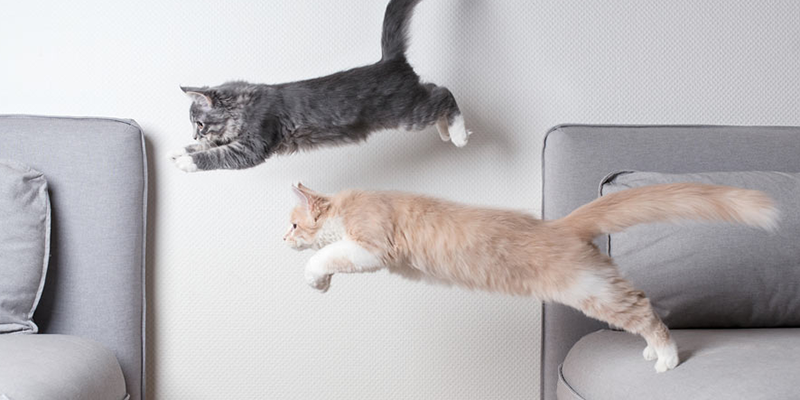
Think about your cat's daily routine. Most indoor cats spend about 12 to 16 hours a day napping. While they look peaceful, their bodies are actually recharging for a hunt that never happens. In the wild, a cat would use that energy to stalk, chase, and pounce on prey. In your living room, that energy has nowhere to go until it hits a breaking point. When the cat zoom starts, they are effectively burning off a day's worth of sitting around.
It isn't just about boredom, though. For many cats, the zoomies are a way to stretch their muscles and keep their reflexes sharp. You might notice your cat tucking their tail and running with their ears slightly back—this is just the body's way of aerodynamic positioning for maximum speed. It is a completely natural, healthy part of being a feline.
Why The Midnight Sprint Happens At 3 AM
One of the biggest complaints from owners is that a cat gets zoomies right when the house goes quiet. You are ready for bed, but your cat is ready for the Olympics. This timing isn't a coincidence or an attempt to annoy you; it's hardwired into their DNA.
Cats are crepuscular, meaning they are naturally most active at dawn and dusk. This is when their ancestors would hunt because their prey (like mice and birds) was also active. Even though your cat gets their prey from a tin can or a bag, their internal clock still tells them that nighttime is the best time to move.
When the sun goes down, their predatory instincts kick in. The dim light makes them feel safe and stealthy, which often triggers the urge to run. If you've been at work all day, your cat has likely been sleeping the entire time. By the time you get home and settle in, they are at 100% battery capacity and ready to go.
The Famous Post-Poop Zoomie
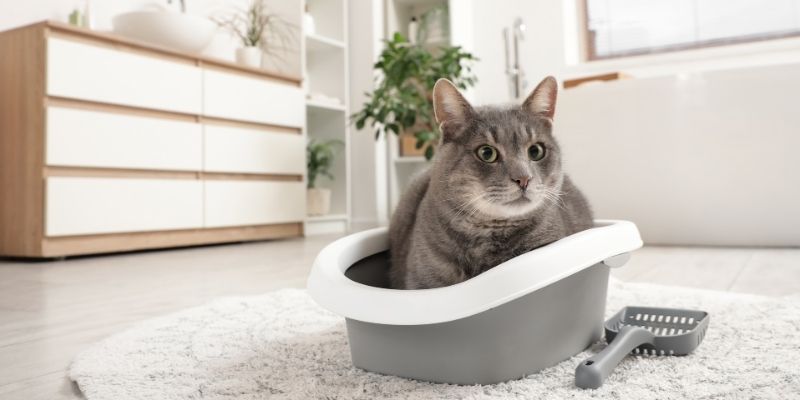
Have you ever noticed your cat finishing their business in the litter box and then immediately launching themselves across the room like a rocket? This is one of the most specific types of cat zoomies, and there are a few practical reasons for it.
First, there is a physiological trigger. Cats have a vagus nerve that runs near their digestive tract. When they have a significant bowel movement, it can stimulate this nerve, creating a sensation of euphoria or a high. They feel so good and relieved that they literally run for joy.
Second, it's a survival instinct. In the wild, leaving waste behind is like leaving a GPS coordinate for predators. By sprinting away from the site immediately, the cat puts distance between themselves and the Scent. If your cat does this, don't worry—they aren't in pain; they are likely just feeling light on their feet and instinctively staying safe.
Are Cat Zoomies Good For Your Pet?
Many owners ask: Are cat zoomies good, or a sign of Stress? For the vast majority of cats, the answer is a resounding yes—they are very good.
Zoomies are a sign that your cat has the physical energy and the feel-good hormones to play. A depressed or sick cat rarely zooms. When your cat races around, they are getting a high-intensity cardio workout. This helps:
- Maintain a healthy weight.
- Keep joints flexible.
- Provide mental stimulation.
- Relieve the Stress of a sedentary indoor life.
However, if the zooming is accompanied by frantic skin twitching or if your cat seems to be biting at their own back, it could be a sign of feline hyperesthesia. But for 99% of cats, those wild laps around the sofa are just a sign of a happy, healthy animal with a full tank of gas.
Managing High-Energy Kitten Zoomies
If you have a young cat, you know that kitten zoomies are on a whole different level. Kittens are like toddlers who have discovered espresso. They don't just run; they climb curtains, jump on counters, and use your legs as scratching posts.
Since kittens are still learning how to use their bodies, their zoomies can be a bit destructive. To manage this, you need to provide vertical outlets. If a kitten doesn't have a cat tree to climb, they will use your bookshelf.
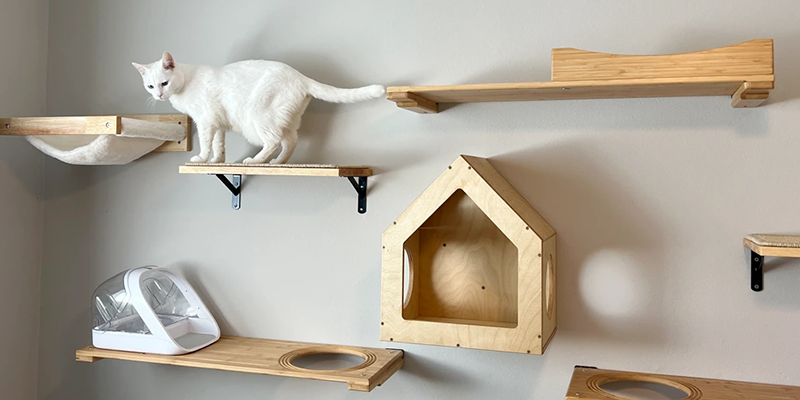
Practical Tip: If your kitten starts zooming, do not try to catch them or pick them up. Their adrenaline is high, and you might get scratched or bitten by accident. Instead, toss a soft toy or a kicker pillow in their path. This redirects their hunt away from your furniture and onto a safe object.
How To Stop The Nighttime Chaos
While zoomies are healthy, you still need to sleep. You can't stop the instinct, but you can shift the timing so it happens before you go to bed. The goal is to drain the battery on your terms.
- The Play-Eat-Sleep Routine: About 30 minutes before you want to sleep, engage your cat in a vigorous play session. Use a wand toy with feathers or a fishing pole toy. Make them jump, run, and pounce until they are panting slightly or lying down.
- The Big Meal: Immediately after the play session, feed them dinner (or a large snack). In the wild, after a hunt and a meal, a cat sleeps to conserve energy for the next hunt. By mimicking this cycle, you trigger their natural food coma.
- Puzzle Feeders: If your cat still gets restless at 2 AM, use a puzzle feeder. Instead of just a bowl of food, hide kibble inside a toy they have to bat around. This burns mental energy, which is often more tiring for a cat than physical running.
- Ignore the Noise: This is the hardest part. If your cat zooms at night and you get up to hiss at them, chase them, or give them a treat to shut them up, you are rewarding the behavior. They think, "If I run fast enough, my human will interact with me!" If you stay completely still and ignore them, they will eventually realize that nighttime is boring.
Zoomie-Proofing Your Home For Safety
Since you know the zoomies are going to happen, you should prepare your environment so nobody gets hurt. A cat in the middle of a cat zoom isn't looking for expensive vases or loose wires.
- Rug Grippers: If you have area rugs on hardwood floors, use non-slip pads. A zooming cat can easily slide a rug into a wall or piece of furniture, causing injury.
- Clear the Launch Pads: Cats love to jump from the floor to a chair, then to a table. Make sure these launch pads don't have breakable items on the edges.
- Blind Cords: Ensure window blind cords are tucked away. A sprinting cat can easily get tangled in a dangling loop, which is a major strangulation risk.
By giving them a clear racetrack through the house, you allow them to express their instincts without turning your home into a disaster zone.
When To See a Vet
While most zooming is normal, keep an eye out for changes in frequency. If an older cat who has been calm for years suddenly starts getting intense cat zoomies, it could be a sign of hyperthyroidism. This condition speeds up their metabolism, making them feel restless and hyperactive. If the zooming is paired with weight loss or increased thirst, a quick blood test at the vet is a good idea.
Enjoy Your Happy, Active Cat
Cat zoomies are a fun, quirky part of living with a feline. They show that your pet feels safe enough to let go of their inhibitions and play. By using scheduled play sessions and providing a safe environment, you can enjoy the entertainment of their wild side without losing any sleep.
Related Posts

Can Dogs Eat Eggs or Not? The Truth Most Owners Don’t Know

Is Your Dog Cold? How To Tell If They Need a Coat

Don't Leave Yet: The Pet Care Plan You Need Before Any Trip

Why Dogs Get Hot Spots and What Pet Owners Should Know
The Best Automatic Litter Boxes for Multi-Cat Households in 2026